Building Brand Recall on Social Media: How Mascots and Recognition Systems Drive Retention for SMBs
SMBs chase likes but miss recall. Growth comes from memory, not reach. consistent colours, formats, and a mascot to build recognition and be remembered.
Why Most SMB Social Media Content Fails the Memory Test
Engagement is a seductive metric. Likes, views, and shares create a veneer of success, convincing SMB owners that their content is performing. In reality, these signals are often vanity metrics masquerading as growth.
The true bottleneck isn't reach, it's recall. An audience might double-tap a post today and fail to name the brand behind it tomorrow. Engagement without attribution is simply brand awareness that evaporates before it can influence a purchase.
The data from the Ehrenberg-Bass Institute for Marketing Science is clear: most advertising fails not because it is boring, but because it fails to build distinctive memory structures. Consumers may enjoy the content, but they forget the creator.
This isn't an academic observation; it's a strategic mandate. Long-term growth isn't driven by being seen; it's driven by being remembered during the moment of choice. Winning brands don't just chase eyeballs; they prioritize mental availability.
For the SMB, the objective shifts from fleeting engagement to durable memory. The goal is to build memory infrastructure so that when a relevant need arises, your brand is the first and only name that surfaces.
What Is a Recognition System and Why Does It Work?
A recognition system is a repeatable set of visual and tonal cues - colour palette, typography, layout, and mascot that train your audience to identify your brand instantly, before they've read a single word.
Used consistently, these elements create what psychologists call fluency: the brain's ability to process familiar stimuli faster and remember them longer. The data backs it up, consistent branding improves recognition by three to four times, and consumers are 81% more likely to remember your signature colour than your name.
This isn't about aesthetics. It's about owning a slot in your audience's memory.
The Role of Mascots in Building Social Brand Identity
Logos sit still. Mascots move.
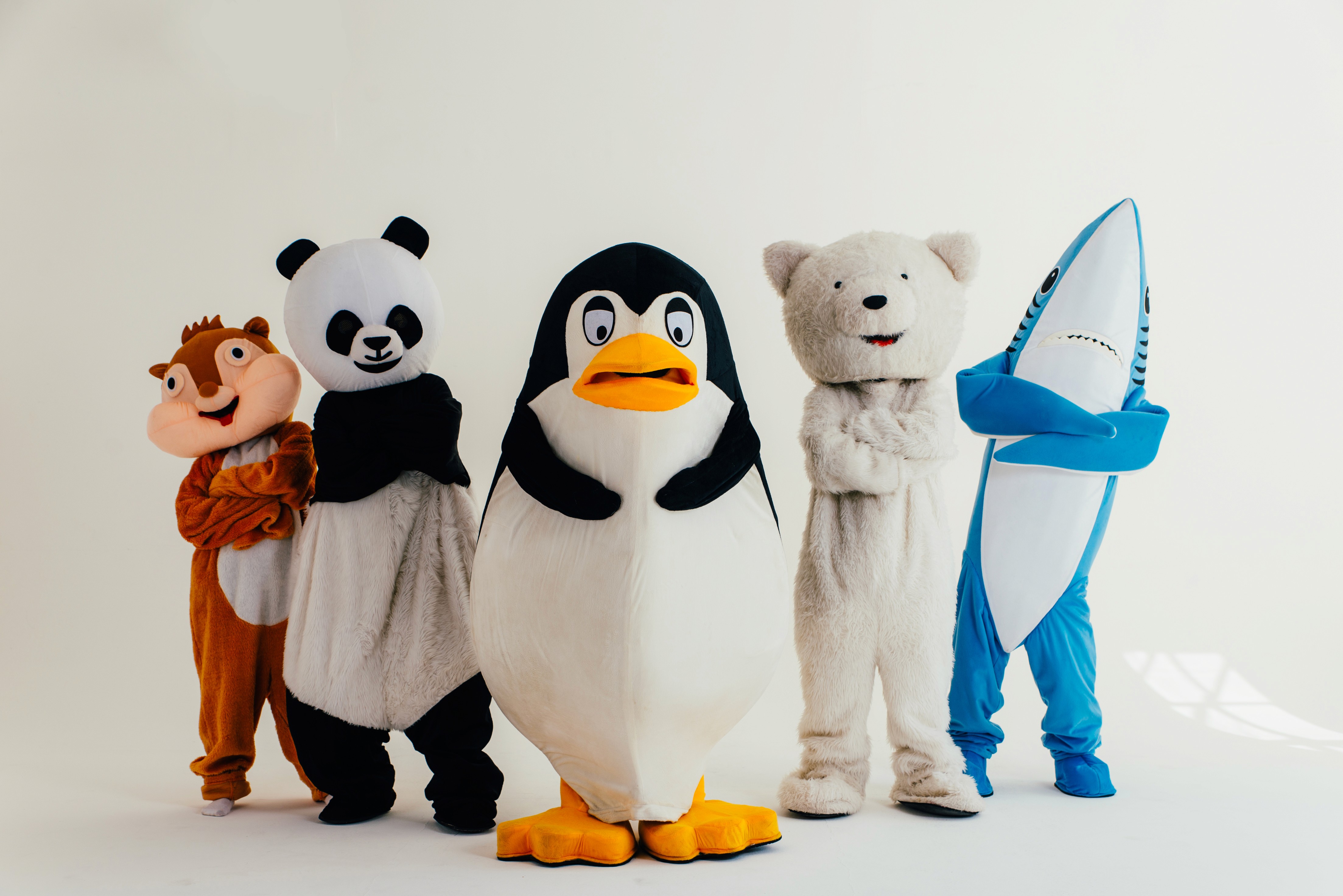
A mascot feels alive; it shows emotion, reacts, and carries personality. On social media, where attention is fleeting, this makes content instantly more relatable. A recurring character becomes familiar in the feed, creating a quick “I’ve seen this before” moment for the audience.
Over time, the mascot stops being just a design element and becomes the brand’s social identity. It represents how the brand speaks, behaves, and connects, making the brand easier to recognize, remember, and return to.
Case Study: How "Steve" Became a Recognition System
The most effective brand systems aren't always engineered from the start. Sometimes they're discovered.
While developing social content for a client, a team member added eyes to a product illustration; a small creative decision made to make a single post more engaging. Someone named it Steve. The name stuck.
What followed was instructive. Steve appeared in the next post, and the next. Same visual logic, same character treatment, slightly different expression. No formal brand launch. No mascot guidelines. Just consistency, the same creative instinct applied repeatedly.
Within weeks, something measurable shifted. Audiences began recognising posts before reading captions or identifying the logo. Steve had become a recognition trigger: a distinctive asset that made every subsequent post faster to identify and easier to remember.
The strategic lesson isn't "add eyes to your product." It's this: distinctive assets compound over time but only if you're consistent enough to let them. Steve worked because the team committed to the system rather than abandoning it when novelty wore off.
How to Build a Recognition System for Your SMB
The beauty of recognition-first strategies is that they don't need huge budgets or endless posting; just intention. While big brands throw money at visibility, SMBs can win by being mentally available. You don't need to be everywhere to be remembered. You just need to be consistent.
Define your distinctive assets. One primary colour, one recurring visual element, one consistent content format. Think of these as your brand's signature, the cues that make your audience pause mid-scroll and think, I know this one.
Commit to repetition before novelty. When engagement dips, the instinct is to mix things up. Resist it. Recognition is built through exposure frequency, not variety. Give your system at least 90 days before re-evaluating.
Let your mascot evolve, not change. Your character can show up in different scenarios, moods, and contexts, that's what keeps it fresh. But the design stays fixed. Expressions can vary. Identity shouldn't.
Audit for attribution. Cover your logo and brand name. Can a follower identify your post by visual cues alone? If not, you need more consistency, not more creativity.
Measure recall, not just reach. Ask your audience unaided: "Name a brand you follow in [your category]." Track whether you appear and how quickly.
Small creative touches like giving a product a personality, a recurring colour, a character people recognise; compound quietly over time. They don't cost a fortune. They just require commitment. And that's exactly where SMBs can outplay brands ten times their size.
The Bottom Line
Big brands win with reach. SMBs win with recall.
You don't need to be everywhere. You need to be unforgettable in the spaces where you do show up. A mascot, a signature colour, a consistent visual logic, these aren't design indulgences. They're memory infrastructure. And unlike paid reach, the equity they build doesn't disappear when you stop spending.
The brands that win long-term aren't the ones posting most frequently. They're the ones whose audience, mid-scroll, feels an instant flash of recognition and thinks: I know exactly who this is.
Build that. Protect it. Be consistent enough to let it compound.
Your brand is being seen. The question is whether it's being remembered. Book a Call with our team and let’s make your brand one people recall and act on.
FAQ: Brand Recall and Mascots for SMBs
What is brand recall and why does it matter for small businesses?
Brand recall is the ability of a consumer to retrieve your brand name from memory when prompted by a need. For SMBs, it determines whether you surface in a buyer's consideration set at the moment of purchase, making it a more reliable conversion driver than engagement metrics alone.
Can service businesses use a mascot?
Yes. Mascots are personality-dependent, not product-dependent. A consultancy or agency can leverage a mascot just as effectively as a consumer product brand. The medium is social; the mechanism is identical.
How long does it take to build brand recall?
Meaningful recall improvements typically emerge after three to six months of consistent execution. The key variable isn't time, it's the consistency of visual cues throughout that period.
How often should you update your brand mascot?
Audiences don't get bored of recognition, they get bored of stale execution. Keep scenarios fresh and contextually relevant while the character itself stays visually consistent. The character is the constant; the content around it should evolve.
How do small businesses build brand recognition on a budget?
A recognition system - consistent colours, layout, and a recurring mascot concentrates brand equity into a repeatable, compounding asset that works harder with every impression. No increased spend required; just consistency.